


Grasping Agile Layout: An Overview to Reliable Item Development
페이지 정보
작성자 John 작성일25-01-08 13:19 조회164회 댓글0건관련링크
본문
Agile style refers to the iterative process of item growth, emphasizing versatility, partnership, and customer comments throughout the whole cycle. This method is specifically effective for projects that require consistent improvement and improvement, as it enables groups to adapt to advancing demands and market needs rapidly.
At its core, Agile design operates on several fundamental principles that set it apart from traditional design procedures. Rather of waiting up until the end of the project to introduce a complete item, Agile layout damages the procedure into smaller portions, delivering practical prototypes at each phase.
Adopting Nimble design uses many advantages. Among the biggest advantages is enhanced product quality. By continuously testing and improving the product throughout its advancement, the possibility of finding and resolving prospective concerns boosts. This iterative process helps minimize the risk of costly errors or significant layout imperfections that may have been ignored in a standard development cycle.
While Agile layout offers numerous benefits, it's not without its obstacles. Because the procedure is iterative and may entail constant changes, stakeholders may initially struggle to comprehend the evolving nature of the task.
By welcoming Agile style, organizations can remain affordable in an ever-changing market, delivering products that are not just practical yet likewise lined up with user expectations.
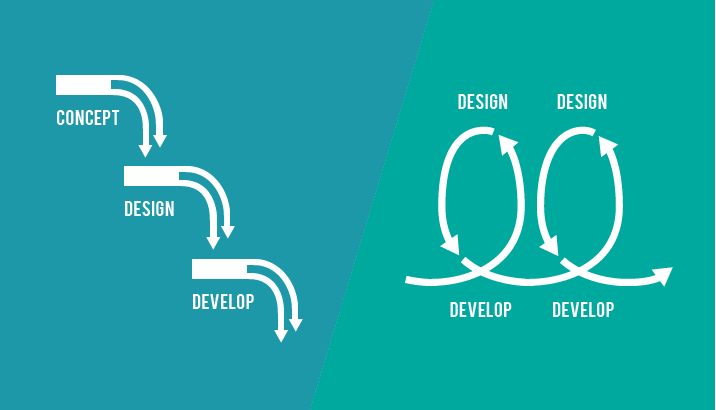 At its core, Agile style runs on numerous basic principles that establish it apart from traditional design processes. Instead of waiting up until the end of the project to launch a complete product, Agile layout damages the process into smaller sized pieces, providing useful models at each phase. Adopting Active style uses countless benefits.
At its core, Agile design operates on several fundamental principles that set it apart from traditional design procedures. Rather of waiting up until the end of the project to introduce a complete item, Agile layout damages the procedure into smaller portions, delivering practical prototypes at each phase.
Adopting Nimble design uses many advantages. Among the biggest advantages is enhanced product quality. By continuously testing and improving the product throughout its advancement, the possibility of finding and resolving prospective concerns boosts. This iterative process helps minimize the risk of costly errors or significant layout imperfections that may have been ignored in a standard development cycle.
While Agile layout offers numerous benefits, it's not without its obstacles. Because the procedure is iterative and may entail constant changes, stakeholders may initially struggle to comprehend the evolving nature of the task.
By welcoming Agile style, organizations can remain affordable in an ever-changing market, delivering products that are not just practical yet likewise lined up with user expectations.
At its core, Agile style runs on numerous basic principles that establish it apart from traditional design processes. Instead of waiting up until the end of the project to launch a complete product, Agile layout damages the process into smaller sized pieces, providing useful models at each phase. Adopting Active style uses countless benefits.댓글목록
등록된 댓글이 없습니다.