


Comprehending Agile Style: The Trick to Reliable Product Development
페이지 정보
작성자 Chauncey 작성일25-01-08 06:22 조회200회 댓글0건관련링크
본문
In the fast-paced globe of item growth, remaining ahead of the curve and guaranteeing prompt distribution can be a challenge. That's where Agile Style comes right into play. Agile style describes the iterative process of item development, emphasizing adaptability, partnership, and customer comments throughout the entire cycle. This methodology is especially effective for jobs that require constant improvement and improvement, as it enables teams to get used to evolving needs and market needs swiftly.
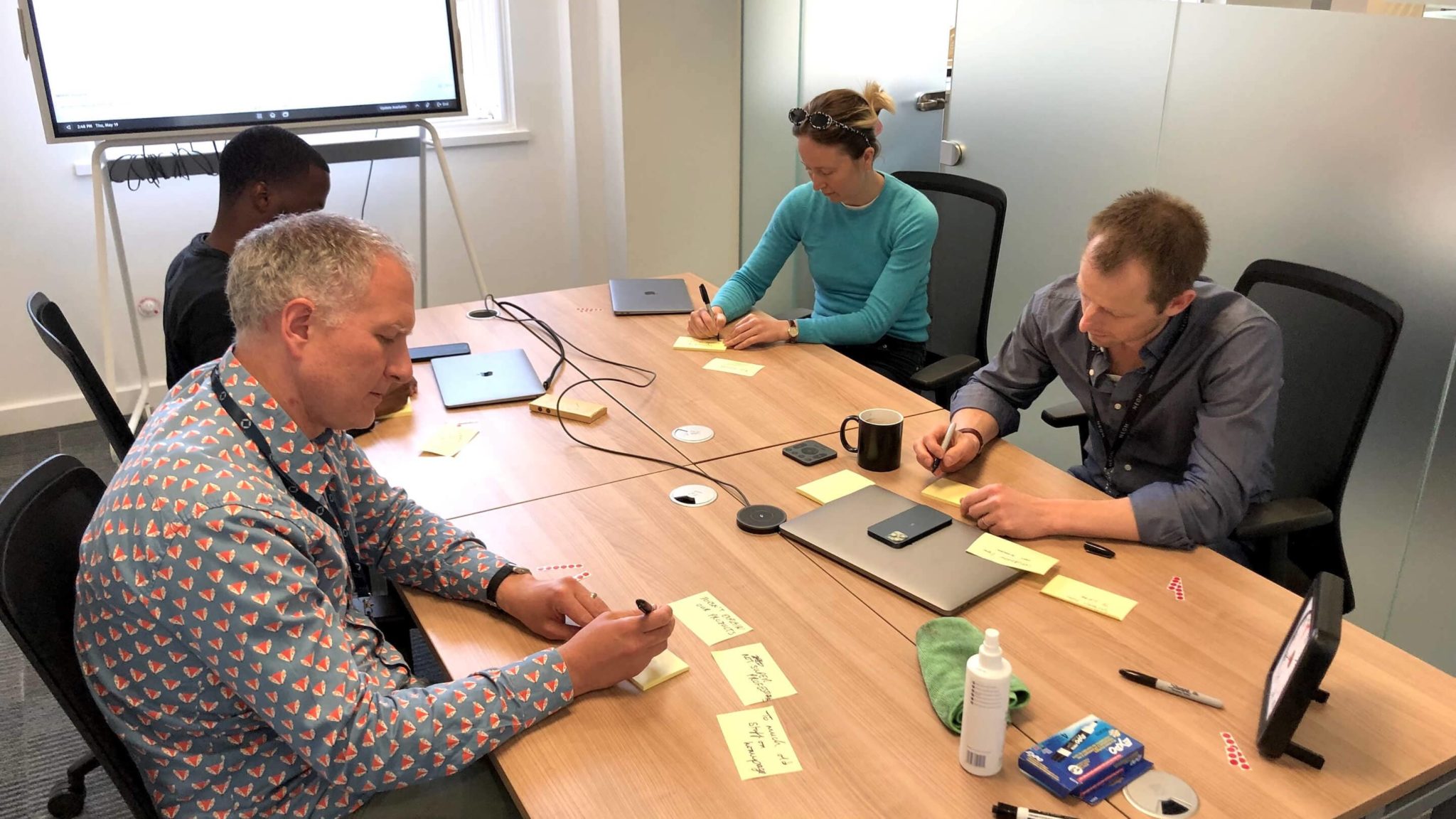 Agile layout is a core concept of the Agile methodology, which came from the software program market but has given that been applied throughout different domains, including product layout, engineering, and even marketing. The essence of Agile layout hinges on its capability to develop items that not just satisfy user needs yet additionally react to adjustments promptly and efficiently, providing the adaptability to adapt as brand-new insights occur.
The Principles Behind Agile Style
At its core, Agile style operates on a number of fundamental principles that set it apart from standard style procedures. Rather of waiting until the end of the job to introduce a complete product, Agile style damages the process into smaller portions, delivering practical models at each phase.
Agile design promotes close interaction between all team members, consisting of designers, programmers, and stakeholders. By working in brief cycles, Agile design advertises versatility in making adjustments based on input from numerous resources, whether it's the advancement group, clients, or customers themselves.
In addition, Agile design stresses consumer comments as a driving pressure for product development. With each iteration, customer input is important to refining the product's functions and performance. This approach ensures that the last item not just solves the intended problem however also straightens with user assumptions and needs.
Benefits of Agile Layout
Adopting Nimble style offers numerous benefits that contribute to a more effective and efficient advancement procedure. One of the most noteworthy advantages is faster time to market. Considering that Agile layout operates in smaller sized increments, teams can launch versions of the item quicker, collecting comments and making enhancements without awaiting a prolonged, end product launch. This indicates organizations can launch products or updates quicker, offering them with an one-upmanship in the marketplace.
One more advantage is boosted item quality. By continually examining and refining the product throughout its growth, the likelihood of discovering and resolving potential problems rises. This repetitive procedure helps in reducing the risk of costly mistakes or major style flaws that might have been overlooked in a traditional development cycle.
Agile layout likewise enhances risk management. With continuous comments and a flexible technique, groups can find prospective dangers early and adjust their approaches as necessary. This positive technique permits quicker reactions to unanticipated difficulties and reduces the effect of these risks on the overall task.
Agile Style in Method
To implement Agile layout effectively, groups must stick to a couple of essential practices. One such technique is making use of individual tales, which explain the item's functionality from the user's perspective. This assists focus on functions based on customer demands and makes certain the team concentrates on what's essential to the end customer.
In addition, sprints are a central component of the Agile procedure. At the end of each sprint, the team provides a working variation of the item, which can be examined by stakeholders for comments.
Routine standup conferences are an additional vital facet of Agile layout. These short, everyday meetings enable staff member to share updates, review any kind of challenges, and ensure that everyone gets on the same web page. This helps preserve momentum throughout the task and makes sure that prospective troubles are addressed prior to they can hinder progression.
Challenges of Agile Layout
While Agile style provides lots of advantages, it's not without its obstacles. One typical problem is taking care of stakeholder expectations. Because the process is iterative and may include constant adjustments, stakeholders might at first battle to understand the advancing nature of the job. To conquer this, reliable interaction is vital to maintain all parties informed and straightened with the job's goals.
An additional obstacle is the potential for extent creep. Considering that Agile design permits adaptability and adjustments throughout the process, there is a risk that the extent of the task might grow past its initial intentions. To stop this, it's vital to preserve a clear vision and established reasonable goals from the start.
Lastly, Agile layout requires a high degree of group partnership and self-control. Since the procedure includes continuous feedback and regular changes, it can be requiring for groups to preserve a stable rate and maintain the project on the right track. With correct planning and commitment, these obstacles can be taken care of properly.
Conclusion
Agile design is a powerful strategy that brings versatility, cooperation, and continuous enhancement to item advancement. By breaking down projects right into workable versions and concentrating on customer comments, Agile design makes sure that items fulfill user needs and are delivered rapidly. While there are challenges to get rid of, the advantages of faster time to market, boosted item quality, and far better danger management make it a very efficient approach for contemporary item advancement.
By welcoming Agile design, organizations can stay affordable in an ever-changing market, providing items that are not only functional yet additionally straightened with individual assumptions. Whether you're developing software program, items, or solutions, Agile layout provides the tools to develop cutting-edge and successful outcomes.
Agile style refers to the iterative procedure of item development, stressing versatility, collaboration, and client feedback throughout the entire cycle. At its core, Agile design operates on a number of essential concepts that set it apart from traditional style procedures. Rather of waiting till the end of the task to launch a full product, Agile design damages the procedure right into smaller sized pieces, supplying practical models at each stage. Considering that Agile design works in smaller increments, teams can launch versions of the product more promptly, gathering feedback and making renovations without waiting for a prolonged, last product launch. By damaging down projects right into convenient iterations and focusing on customer comments, Agile design ensures that products fulfill individual requirements and are delivered swiftly.
Agile layout is a core concept of the Agile methodology, which came from the software program market but has given that been applied throughout different domains, including product layout, engineering, and even marketing. The essence of Agile layout hinges on its capability to develop items that not just satisfy user needs yet additionally react to adjustments promptly and efficiently, providing the adaptability to adapt as brand-new insights occur.The Principles Behind Agile Style
At its core, Agile style operates on a number of fundamental principles that set it apart from standard style procedures. Rather of waiting until the end of the job to introduce a complete product, Agile style damages the process into smaller portions, delivering practical models at each phase.
Agile design promotes close interaction between all team members, consisting of designers, programmers, and stakeholders. By working in brief cycles, Agile design advertises versatility in making adjustments based on input from numerous resources, whether it's the advancement group, clients, or customers themselves.
In addition, Agile design stresses consumer comments as a driving pressure for product development. With each iteration, customer input is important to refining the product's functions and performance. This approach ensures that the last item not just solves the intended problem however also straightens with user assumptions and needs.
Benefits of Agile Layout
Adopting Nimble style offers numerous benefits that contribute to a more effective and efficient advancement procedure. One of the most noteworthy advantages is faster time to market. Considering that Agile layout operates in smaller sized increments, teams can launch versions of the item quicker, collecting comments and making enhancements without awaiting a prolonged, end product launch. This indicates organizations can launch products or updates quicker, offering them with an one-upmanship in the marketplace.
One more advantage is boosted item quality. By continually examining and refining the product throughout its growth, the likelihood of discovering and resolving potential problems rises. This repetitive procedure helps in reducing the risk of costly mistakes or major style flaws that might have been overlooked in a traditional development cycle.
Agile layout likewise enhances risk management. With continuous comments and a flexible technique, groups can find prospective dangers early and adjust their approaches as necessary. This positive technique permits quicker reactions to unanticipated difficulties and reduces the effect of these risks on the overall task.
Agile Style in Method
To implement Agile layout effectively, groups must stick to a couple of essential practices. One such technique is making use of individual tales, which explain the item's functionality from the user's perspective. This assists focus on functions based on customer demands and makes certain the team concentrates on what's essential to the end customer.
In addition, sprints are a central component of the Agile procedure. At the end of each sprint, the team provides a working variation of the item, which can be examined by stakeholders for comments.
Routine standup conferences are an additional vital facet of Agile layout. These short, everyday meetings enable staff member to share updates, review any kind of challenges, and ensure that everyone gets on the same web page. This helps preserve momentum throughout the task and makes sure that prospective troubles are addressed prior to they can hinder progression.
Challenges of Agile Layout
While Agile style provides lots of advantages, it's not without its obstacles. One typical problem is taking care of stakeholder expectations. Because the process is iterative and may include constant adjustments, stakeholders might at first battle to understand the advancing nature of the job. To conquer this, reliable interaction is vital to maintain all parties informed and straightened with the job's goals.
An additional obstacle is the potential for extent creep. Considering that Agile design permits adaptability and adjustments throughout the process, there is a risk that the extent of the task might grow past its initial intentions. To stop this, it's vital to preserve a clear vision and established reasonable goals from the start.
Lastly, Agile layout requires a high degree of group partnership and self-control. Since the procedure includes continuous feedback and regular changes, it can be requiring for groups to preserve a stable rate and maintain the project on the right track. With correct planning and commitment, these obstacles can be taken care of properly.
Conclusion
Agile design is a powerful strategy that brings versatility, cooperation, and continuous enhancement to item advancement. By breaking down projects right into workable versions and concentrating on customer comments, Agile design makes sure that items fulfill user needs and are delivered rapidly. While there are challenges to get rid of, the advantages of faster time to market, boosted item quality, and far better danger management make it a very efficient approach for contemporary item advancement.
By welcoming Agile design, organizations can stay affordable in an ever-changing market, providing items that are not only functional yet additionally straightened with individual assumptions. Whether you're developing software program, items, or solutions, Agile layout provides the tools to develop cutting-edge and successful outcomes.
Agile style refers to the iterative procedure of item development, stressing versatility, collaboration, and client feedback throughout the entire cycle. At its core, Agile design operates on a number of essential concepts that set it apart from traditional style procedures. Rather of waiting till the end of the task to launch a full product, Agile design damages the procedure right into smaller sized pieces, supplying practical models at each stage. Considering that Agile design works in smaller increments, teams can launch versions of the product more promptly, gathering feedback and making renovations without waiting for a prolonged, last product launch. By damaging down projects right into convenient iterations and focusing on customer comments, Agile design ensures that products fulfill individual requirements and are delivered swiftly.
댓글목록
등록된 댓글이 없습니다.